

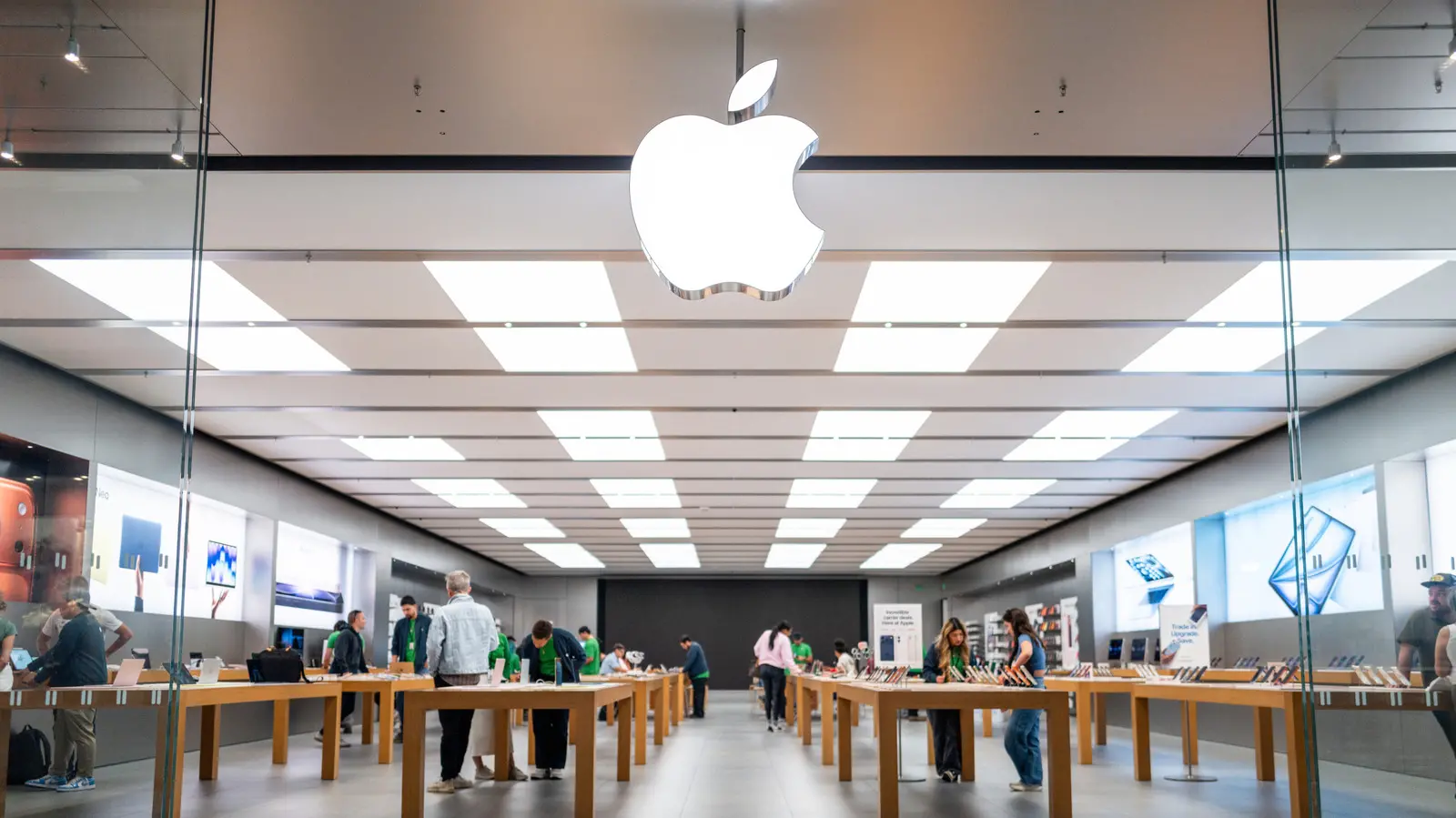
Apple is widely known for building iconic devices and breakthrough technology, but many of its most revolutionary features started in someone else's garage. Unlike competitors that acquire companies to eliminate competition, Apple's approach is highly strategic: it buys firms to absorb world-class talent and acquire foundational technology that can be integrated directly into the Apple ecosystem. When Apple purchases a brand, that brand's DNA often ends up in the pockets of millions, even if the original name fades into history. From the operating system on a new MacBook to the secure biometrics unlocking iPhones worldwide, much of what we consider uniquely "Apple" was originally invented elsewhere. Some acquisitions were massive public spectacles; others were quiet, behind-the-scenes deals. Almost all played a role in the transformation of the iPhone over the years. Let's look back at five legendary tech brands that Apple bought and shed light on their immense impact.
Beats
In 2014, Apple made its largest acquisition to date by cutting a $3 billion check for Beats Electronics. Founded by music icon Dr. Dre and producer Jimmy Iovine, Beats was a culture-defining brand known for bass-heavy headphones and a budding streaming service. Critics initially wondered why a hardware giant would pay billions for a headphone company, but Apple wasn't buying plastic headphones alone. The deal secured cultural relevance with younger audiences and, more importantly, provided a means to develop a new breakthrough hardware category. The immediate result was an upgrade to Apple's audio lineup, but the true crown jewel came with the introduction of AirPods in 2016. Leveraging Beats' expertise in high-quality headphones, Apple created the best-selling wireless earbuds of all time. Meanwhile, the Beats Music platform was rebranded as Apple Music in 2015, integrating deeply into iOS and transforming Apple from a digital song seller into a streaming powerhouse. The Beats brand itself was kept alive as a stylish, bass-forward alternative to AirPods, targeting fitness enthusiasts and athletes. This acquisition cemented Apple's dominance in premium wireless audio and streaming services.
Shazam
Shazam feels like magic: hold your phone near a faint speaker, and within seconds it identifies the song. Recognizing its utility, Apple acquired the U.K.-based company in 2018 for an estimated $400 million. The most immediate change was Apple stripping out all third-party advertisements, making the app free, clean, and fast. But Apple didn't just leave Shazam standalone; it seamlessly integrated the music recognition technology into iOS. Now, iPhone users don't need to download anything—they can say "Hey Siri, which song is playing?" or tap a dedicated Shazam toggle in the Control Center. This acquisition also serves as a massive data engine for Apple Music. By analyzing what millions of people Shazam in real time, Apple can predict musical trends and feed its recommendation algorithms. It's a perfect example of Apple taking a beloved utility and scaling its backend to strengthen its services ecosystem. Despite the acquisition, Shazam remains available on Android as a third-party app.
NeXT
If one acquisition saved Apple from collapse, it was the purchase of NeXT in 1997. After leaving Apple in 1985, Steve Jobs founded NeXT to build high-end computers for academia and business. While hardware sales were modest, the object-oriented operating system NeXTSTEP was decades ahead. By the late 1990s, Apple's operating system was ancient, and the company was months from bankruptcy. The impact cannot be overstated: NeXTSTEP formed the foundation for Mac OS X (now macOS). Its core software frameworks, file structures, and development tools were so robust that they became the structural basis for iOS, watchOS, and tvOS. Even today, code paradigms from NeXTSTEP persist under the hood of modern iPhones and Macs. Furthermore, the deal brought back Steve Jobs, who launched the most historic turnaround in business history, delivering the iMac, iPod, and iPhone. This acquisition wasn't just about software—it was about leadership and vision.
PrimeSense
When Apple unveiled the iPhone X in 2017, the removal of the iconic home button stunned the tech world. Touch ID was gone, replaced by Face ID. This biometric authentication method unlocked the phone by scanning a user's face, made possible by Apple's quiet acquisition of Israeli 3D sensing company PrimeSense in 2013. Before Apple, PrimeSense was best known for partnering with Microsoft to create the original Xbox Kinect. While Kinect was a bulky camera for televisions, Apple's hardware teams worked for years to shrink PrimeSense's optical technology to miniature scale, cramming the complex system into the tiny notch at the top of the iPhone screen. The technology projects over 30,000 invisible infrared dots to create a precise depth map of your face. This acquisition gave Apple a multi-year lead in secure facial recognition over Android competitors, transforming a gaming gimmick into the gold standard of mobile biometric security.
P.A. Semi
In 2008, Apple quietly acquired boutique chip design startup P.A. Semi for $278 million. At the time, P.A. Semi was highly regarded for designing power-efficient microprocessors. Skeptics wondered why Apple needed its own chip designers when Samsung provided ARM-based chips for most phones. But Steve Jobs had a visionary long-term goal: to control performance, battery life, and features by designing its own processors. The P.A. Semi team formed the elite core of Apple's in-house silicon division. Two years later, Apple debuted the A4 chip in the original iPad and iPhone 4, marking the birth of Apple Silicon. These custom A-series chips have consistently outperformed competitors, giving iPhones unmatched speed and efficiency. Even today, the A19 Pro chip in the iPhone 17 Pro leads in performance and battery life. The expertise gained from this acquisition laid the groundwork for the revolutionary ARM-based M-series chips powering modern Macs. By buying P.A. Semi, Apple broke free from dependence on external chipmakers, achieving total vertical integration and a massive competitive advantage rivals still struggle to match.
Source: SlashGear News