

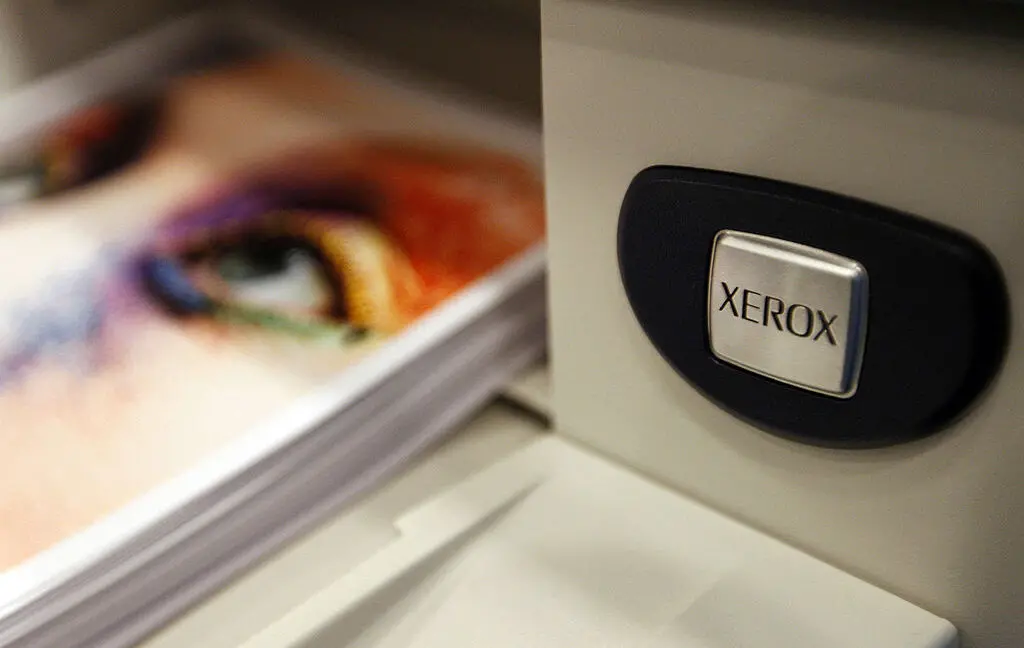
In a landmark case highlighting the creativity of drug trafficking organizations, Australian authorities have sentenced three men for attempting to smuggle 22.4 kilograms (49.4 pounds) of cocaine concealed inside five Xerox printers. The plot, which was intercepted in 2017, involved shipping the devices from overseas to a factory in Airport West, Victoria. The Australian Border Force (ABF) discovered the drugs during a routine inspection at the Melbourne mail center, finding ten packages of compressed white powder hidden within the paper trays of the printers. After a presumptive test confirmed the substance as cocaine, law enforcement removed the drugs, replaced them with a harmless substitute, and installed tracking devices before allowing the package to continue to its destination. This operation led to the arrest of four men in May 2017, with three eventually convicted and sentenced to lengthy prison terms.
The Printer Scheme
Drug smugglers have long exploited commercial shipping channels to move contraband across borders, but hiding narcotics inside electronics has become increasingly common. In this case, the criminals chose Xerox printers because of their solid construction and ample internal cavities. The 22.4 kilograms of cocaine had an estimated street value of between 9.3 million and 12.4 million Australian dollars (roughly $6.7 million to $9 million US). The drugs were compressed into dense bricks to maximize space within the paper trays. The ABF relied on advanced scanning technology and canine units to flag the suspicious packages. The subsequent investigation involved close cooperation between the AFP, ABF, and international partners, though the source country of the cocaine was not disclosed.
After the swap, the printers were delivered to the intended address in Melbourne's western suburb of Airport West. Police surveillance teams watched as the four men attempted to retrieve the devices. They were arrested on the spot and charged with attempting to possess a commercial quantity of a border-controlled drug. The case proceeded through the courts over several years, with the last sentencing occurring in early 2025.
Sentences Handed Down
According to the Australian Federal Police, the sentences reflect the seriousness of the crime. One man received nine years of imprisonment with a non-parole period of four and a half years. Another was sentenced in 2025 to 10 years in prison with a non-parole period of five and a half years. A third man was sentenced in 2022 to 10 years of imprisonment with a non-parole period of six and a half years. The fourth individual arrested was found not guilty and released. The AFP's acting commander, Simone Butcher, emphasized that such operations target the upper echelons of organized crime, noting that “the AFP, as well as our domestic and international partners, are steadfast in our mission to protect the community by disrupting and dismantling organized crime groups and their efforts to profit off the misery caused in our community.”
A History of Printer-Based Smuggling
This case is far from isolated. The use of printers to smuggle drugs has been documented in multiple countries. In 2019, India's Narcotics Control Bureau intercepted a package containing 422 grams (0.9 pounds) of cocaine hidden in secret chambers of printers. That operation also involved sending a decoy package to the intended recipient, leading to the arrest of two men who were part of a drug ring smuggling cocaine from Canada to India. In 2024, a man in London was sentenced to 31 years in prison for orchestrating a scheme that used printer toner cartridges to smuggle cocaine for multiple organized crime groups. The Crown Prosecution Service detailed how the drugs were concealed within printer toner cartridge pallets in the Netherlands, transported to the UK by courier, and distributed from a storage unit. That operation imported cocaine with a street value of up to £132 million ($178.5 million) in just three weeks.
Australia has seen similar incidents. In 2014, a woman was charged for allegedly using laser printer cartridges to smuggle methamphetamine. Authorities became suspicious because the cartridges, typically black, were covered in white powder. In 2022, Australian authorities arrested two men for using 3D printers to attempt to smuggle 30 kilograms (66.1 pounds) of methamphetamine into the country. The AFP noted at the time that the syndicate was believed to be capable of importing up to 100 kilograms (220.5 pounds) at once, indicating a sophisticated and long-running operation.
Broader Drug Trafficking Trends
The use of printers and electronics for drug smuggling reflects a broader trend of criminals adapting to law enforcement countermeasures. As border security technologies become more advanced, traffickers seek out concealment methods that are difficult to detect without specialized equipment. Printers are attractive because they are common business items, contain internal compartments, and often appear in shipments that are not closely scrutinized. Law enforcement agencies worldwide have responded by investing in non-intrusive inspection technologies, training sniffer dogs to recognize drugs even when hidden inside machinery, and enhancing intelligence sharing with international partners. The Australian Border Force, for instance, uses X-ray systems, trace detection devices, and data analytics to identify anomalous shipments.
The cocaine seized in the 2017 operation had a significant retail value, but the real impact of the arrests was disrupting a well-organized trafficking network. AFP officials stated that the sentences send a strong message to organized crime groups that they cannot operate with impunity. The case also underscores the importance of public cooperation, as many smuggling attempts are uncovered through tips and advanced screening. The AFP continues to work with agencies such as the U.S. Drug Enforcement Administration and the UK's National Crime Agency to stem the flow of cocaine, which remains one of the most frequently trafficked drugs into Australia. According to the United Nations Office on Drugs and Crime, Australia has some of the highest cocaine use rates per capita, and the illicit market is estimated to be worth billions of dollars annually.
The lenient sentences for some of the convicted individuals, such as the one with a non-parole period of only four and a half years, have sparked debate about whether penalties are sufficient to deter such large-scale smuggling attempts. However, prosecutors argued that the lengthy investigations and successful convictions already demonstrate the effectiveness of the judicial system. The AFP emphasized that even non-custodial sentences can have a significant impact on individuals’ lives and serve as a deterrent.
The case also highlights the evolving methods of organized crime. In addition to printers, traffickers have attempted to smuggle drugs inside industrial machinery, vehicles, and even shipments of frozen food. The constant game of cat-and-mouse between criminals and law enforcement means that both sides are continually innovating. Law enforcement agencies increasingly rely on predictive analytics and artificial intelligence to identify suspicious patterns before shipments even arrive. For instance, anomalies in shipping documentation, unusual routing, or inconsistent labeling can trigger inspections. In the printer case, the ABF's routine inspection process was effective, but the AFP acknowledges that many shipments go undetected.
The global cocaine trade continues to fuel violence and corruption in source countries like Colombia, Peru, and Bolivia, as well as transit countries in Central America and the Caribbean. Australian authorities have reported increased seizures of cocaine in recent years, indicating both high demand and determined law enforcement. The printer case is a reminder that no one can be complacent; even ordinary office equipment can become a tool for illegal activity. The AFP and ABF are urging businesses and individuals to report suspicious packages or unusual shipping requests, as such reports have led to several major seizures. The three men sentenced in this case will serve their time, but the fight against drug trafficking continues with new challenges on the horizon.
Source: Ars Technica News