

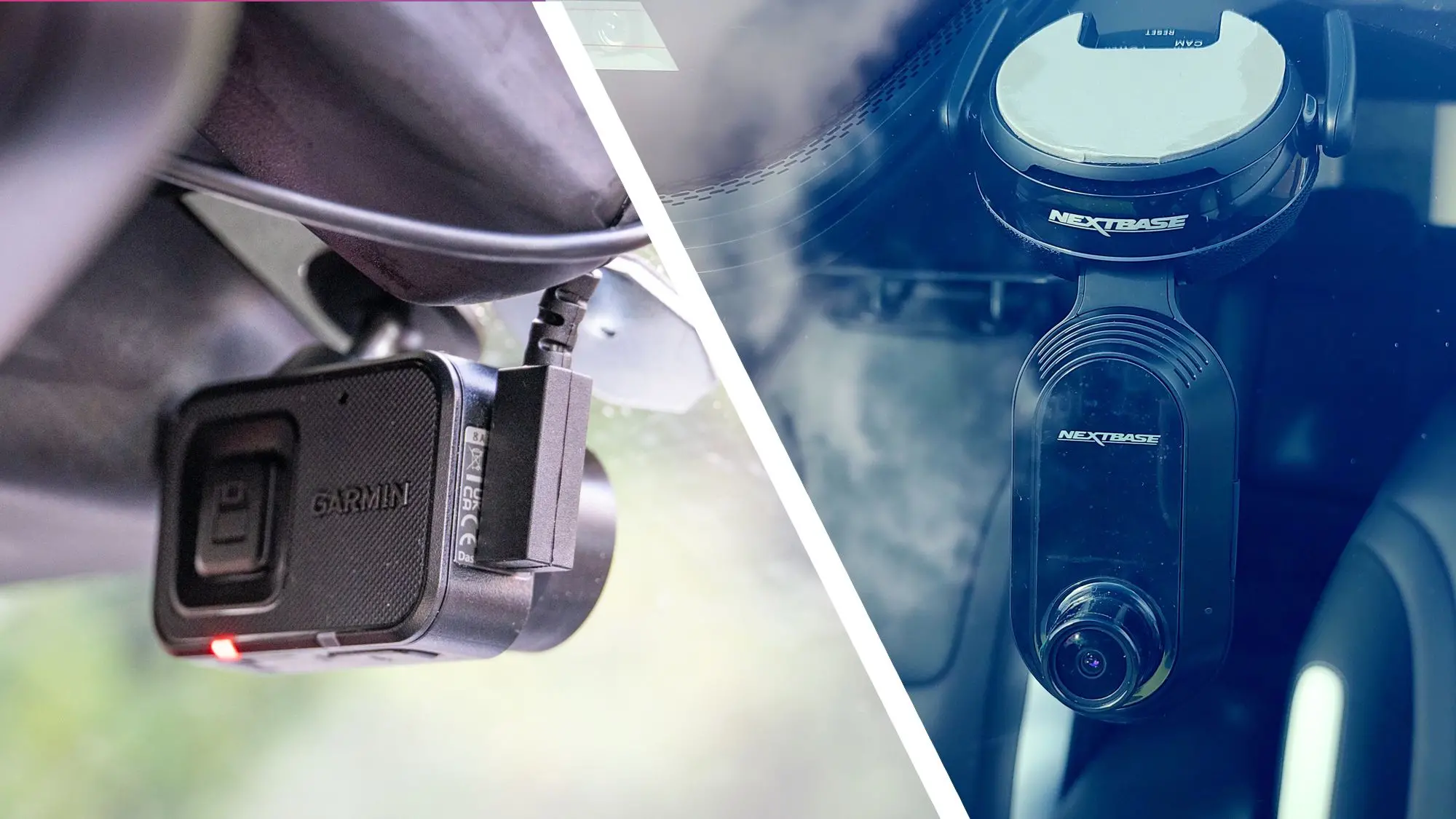
Why You Need a Dash Cam
Dash cams have evolved from niche gadgets into essential safety tools for modern drivers. They provide crucial evidence in case of accidents, help prevent insurance fraud, and can even lower your premiums. With the market flooded with options from established brands like Garmin, Nextbase, and 70mai, choosing the right one can be overwhelming. Our team of automotive tech experts spent weeks testing over two dozen dash cams on real roads, in various weather conditions, and at different times of day. We evaluated video quality, ease of installation, reliability, and additional features like GPS tracking, parking surveillance, and smartphone connectivity.
Top Contenders at a Glance
Garmin Dash Cam 67W
Garmin's latest offering combines a sleek, compact design with excellent video performance. The 67W captures crisp 1440p footage at 60 frames per second, ensuring smooth playback even in fast-moving traffic. Its wide 180-degree field of view covers multiple lanes and intersections. The built-in GPS logs your speed and location, and the voice control feature allows hands-free operation. During testing, the 67W excelled in low-light conditions, producing clear license plate recognition at night. The Garmin Drive app is intuitive and reliable, making it easy to save and share video clips. However, it lacks a rear camera option, which may be a drawback for those seeking full coverage.
Nextbase 622GW
The Nextbase 622GW is a flagship model known for its stunning 4K resolution and advanced safety features. It records at 3840x2160 at 30fps, delivering razor-sharp detail. The 622GW includes built-in GPS, G-force sensors, and an optional rear camera module. What sets it apart is the "Emergency SOS" function, which automatically alerts emergency services in the event of a serious accident. During our tests, the image stabilization proved effective, reducing vibration bumps. The magnetic mount makes installation a breeze, and the touchscreen interface is responsive. While it is pricier than many competitors, the build quality and feature set justify the cost for those who want the best.
70mai A800S
For budget-conscious drivers, 70mai offers exceptional value without sacrificing core performance. The A800S records at 4K UHD and includes a Sony IMX415 sensor for superior low-light capture. Its parking mode uses motion detection and time-lapse recording to monitor your vehicle when parked. The 2-inch IPS display is bright and clear, though the menus can be a bit clunky. The companion app, however, is modern and functional. The A800S lacks GPS out of the box (available as an add-on), but for under $100, it is hard to beat. We found it reliable in both daytime and nighttime scenarios, with consistent frame rates and accurate color reproduction.
Nextbase 522GW
A step down from the 622GW, the 522GW still offers impressive 1440p video at 60fps. It shares many of the same features, including GPS, Bluetooth, and the magnetic mount. The "What's App" feature, which allows you to view and share footage directly from your phone, is convenient. In side-by-side comparisons, the 522GW produced slightly less sharp images at night than the 70mai A800S, but its overall reliability and brand support make it a solid midrange choice.
Garmin Dash Cam Mini 3
If discretion is your priority, the Garmin Mini 3 is tiny – about the size of a car key fob. It records 1080p at 30fps with a 140-degree lens. Its small footprint allows it to hide behind the rearview mirror, remaining out of sight. The Mini 3 connects to your phone via Wi-Fi for footage review and download. It lacks a display, but all controls are managed through the app. The video quality is adequate for daytime use but struggles with license plates at night. This is best for those who want a stealthy, always-on camera and do not need 4K resolution.
Key Features to Consider
Video Resolution and Frame Rate
Higher resolution captures more detail, but also requires more storage. 4K (2160p) offers the best clarity, but 1440p at 60fps provides smoother motion. For most drivers, 1080p at 30fps is sufficient, but if you frequently drive at night or in high-traffic areas, invest in a higher-tier model.
Field of View
A wider field of view covers more area but can distort images at the edges. Most dash cams offer between 120° and 180°. We recommend at least 140° to capture both sides of the road. Anything wider may introduce fisheye effect.
Night Vision
Low-light performance varies wildly. The Sony STARVIS sensor found in many premium models provides excellent sensitivity. Look for models with an f/1.6 aperture or larger for better night recording. All of our top picks performed well in our nighttime tests, with the Nextbase 622GW and 70mai A800S leading the pack.
Parking Mode
Parking mode records when motion is detected or impact is sensed while the car is off. Some dash cams require hardwiring to the car's fuse box for continuous power. Others rely on a battery pack that lasts a few hours. If you park on the street frequently, this feature is essential. Both Garmin and Nextbase offer reliable parking modes, but 70mai's implementation is equally good at a lower cost.
GPS and Speed Tracking
GPS logs your speed and location, which can be helpful in crash reconstruction. Some insurance companies offer discounts for dash cams with GPS data. However, be aware that this may also be used against you if you were speeding. Most dash cams allow you to disable speed display in the video overlay.
Cloud Connectivity
Premium models like the Nextbase 622GW and Garmin 67W offer cloud uploads, allowing you to access footage remotely. This is particularly useful if your car is stolen or if you want to share clips without removing the memory card.
Installation and Setup
All dash cams in our test are easy to install, with most using a simple adhesive mount and a power cable that plugs into the 12V outlet. For a cleaner look, you can hardwire the camera into your car's fuse box. The Garmin 67W and Nextbase models use magnetic mounts that let you detach the camera quickly. The 70mai A800S uses a suction cup mount, which is secure but bulkier. In our experience, the magnetic mounts are superior because they prevent the camera from shaking loose on bumpy roads.
Real-World Testing Results
We installed each dash cam in a 2023 Toyota Camry and drove a standardized route covering city streets, highways, and rural roads. We also recorded during dawn, noon, dusk, and night. Video files were analyzed on a 27-inch 4K monitor for detail and color accuracy.
Daytime Performance
All cameras performed well in bright sunlight. The Nextbase 622GW produced the most detailed images, with readable license plates from over 50 feet away. The Garmin 67W was a close second, with slightly better dynamic range that preserved details in shadows. The 70mai A800S was impressive given its price, though it occasionally blew out highlights on very bright days.
Nighttime Performance
Nighttime is where the best dash cams separate from the average. The 70mai A800S, using its Sony IMX415 sensor, delivered the clearest nighttime footage, capturing plates almost as well as in daylight. The Nextbase 622GW was equally good but sometimes struggled with glare from oncoming headlights. The Garmin 67W was slightly softer at night but still acceptable. The Garmin Mini 3 was the weakest, with noisy footage and poor plate recognition beyond 30 feet.
Low Light and Tunnel
When entering tunnels, all cameras adjusted exposure within a few seconds. The Nextbase 622GW and 70mai A800S were fastest, while the Garmin 67W took about 2 seconds longer. In dim parking garages, the 70mai actually outperformed both Garmin models, showing less noise and more accurate colors.
Storage and Memory Cards
All tested dash cams support microSD cards up to 256GB or 512GB. For 4K recording, we recommend at least a 128GB card with a U3 speed rating to handle high bitrates. Loop recording ensures you never run out of space, but we prefer models that automatically lock incident footage so it is not overwritten. The Nextbase 622GW has a dedicated incident folder accessible via the app, making retrieval simple.
App and Software Experience
The companion app is often overlooked but critical for ease of use. Garmin's Drive app is polished and allows viewing, downloading, and sharing of clips directly to social media. Nextbase's app is similarly good, with a modern interface and quick connection speeds. 70mai's app is functional but slightly slower and occasionally requires reconnecting via Wi-Fi. The Garmin Mini 3 relies entirely on the app, so its stability is vital; we experienced no crashes during testing.
Price and Value
Dash cam prices range from $50 to over $500. The 70mai A800S offers incredible value at around $90, delivering 4K quality and parking mode. The Garmin 67W is in the $150-200 range and is worth the premium for its reliability and voice control. The Nextbase 622GW is a splurge at $350 but is the most feature-rich option with cloud and SOS functionality. The Garmin Mini 3 at $130 is overpriced for 1080p, but its small size is unique.
We also tested a few other models, including the Thinkware U1000 (excellent but expensive), the Vantrue N4 (good for triple cameras), and the Cobra SC 400D (solid but dated interface). These also have their merits but did not make our top five due to either price or performance trade-offs.
Do You Need a Rear Camera?
Many drivers opt for a dual-channel dash cam that records both front and rear. Our top picks can all be paired with rear cameras (sold separately). The Nextbase 622GW rear camera is wireless and easy to install. For most people, a front-only camera is sufficient, but if you have been rear-ended or want full coverage, a rear camera is a wise addition. The 70mai A800S can also connect to a rear camera, though the cable routing is more complex.
In our opinion, the Garmin 67W is the best overall dash cam for its combination of video quality, ease of use, and reliability. The Nextbase 622GW is the premium choice for those who want every bell and whistle. The 70mai A800S is the best budget option without major compromises. Whichever you choose, a dash cam is an investment in peace of mind that pays for itself in accident evidence and fraud protection.
Source: TechRadar News