

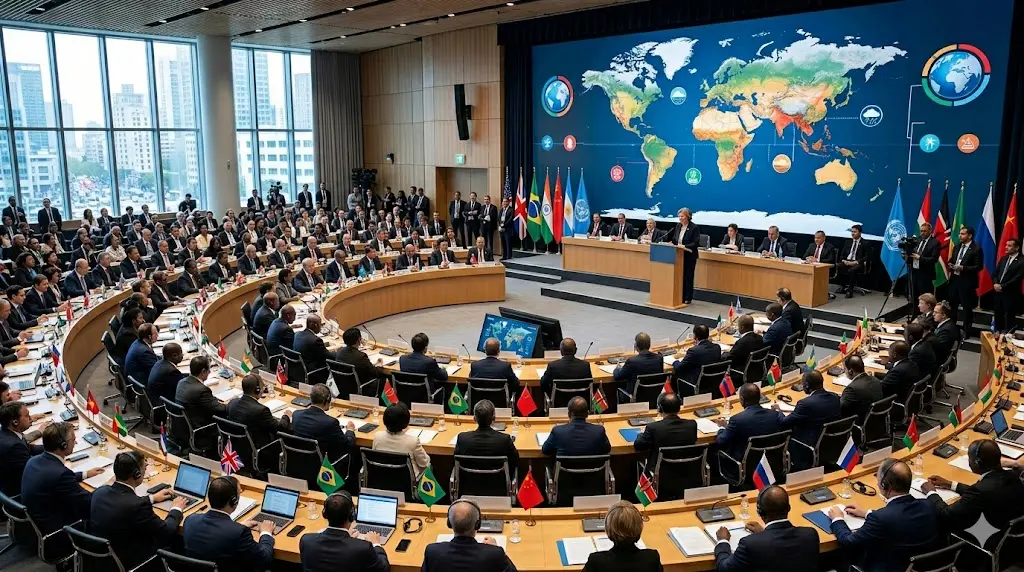
Climate change is influencing international relations because it affects food security, migration, trade, military planning, energy markets, and access to natural resources. Countries are no longer treating climate policy as only an environmental issue. It’s now tied directly to economic survival, geopolitical influence, and national security.
Climate change is reshaping international relations by increasing competition for resources, creating climate migration, changing energy alliances, and forcing governments to cooperate on global environmental agreements. Nations that adapt quickly often gain diplomatic and economic advantages, while countries facing climate disasters may experience instability and foreign policy pressure.
Why Climate Change Is Influencing International Relations has become one of the biggest political questions of the decade. A few years ago, climate discussions mostly stayed inside environmental conferences and academic reports. That’s changed fast.
Now governments are linking climate policy with defense strategies, global trade agreements, migration control, and energy independence. You can see it almost everywhere — from electric vehicle supply chains to disputes over water access and Arctic shipping routes.
Here’s the thing. Climate change doesn’t stay inside borders. One country’s drought, flood, or energy shortage can easily create pressure on neighboring states. In my experience, that’s what most people overlook when they talk about climate politics. This isn’t only about emissions anymore. It’s about power.
What Is Climate Change and Why Does It Matter in Global Politics?
Climate Change: A long-term shift in temperatures and weather patterns mainly caused by human activities such as burning fossil fuels and deforestation.
Climate change matters in international relations because governments depend on stable resources, predictable economies, and secure populations. Once those foundations start weakening, diplomacy changes too.
For example, rising sea levels threaten coastal economies. Extreme heat damages agriculture. Water shortages increase tensions between neighboring countries sharing rivers and reservoirs.
A country facing repeated climate disasters may need foreign aid, trade adjustments, or migration support. Meanwhile, nations controlling clean energy technology can gain major geopolitical influence.
That’s why climate talks are now connected to foreign policy meetings, trade negotiations, and military planning.
Expert Tip
Countries that invest early in renewable energy infrastructure often strengthen both economic resilience and diplomatic influence at the same time. Climate policy and geopolitical strategy are becoming closely connected.
Why Climate Change Matters
Climate change feels more urgent in 2026 because the economic effects are becoming harder to ignore. Governments are spending billions on disaster recovery, energy transitions, and climate adaptation projects.
At the same time, global alliances are shifting.
Countries rich in lithium, cobalt, and rare earth minerals suddenly hold stronger bargaining power because these materials are essential for batteries and renewable energy systems. That creates a new kind of geopolitical competition.
A realistic example is the growing attention toward Arctic routes. As ice melts, new shipping lanes are opening. Some governments see economic opportunity there. Others worry about military expansion and territorial disputes. Same climate issue. Totally different political reactions.
Another factor is climate migration.
When farming regions become unstable due to heat waves or water shortages, families move. Sometimes they move internally. Sometimes they cross borders. That creates pressure on housing, employment, border policy, and diplomatic relationships between nations.
What most people overlook is that climate instability can quietly weaken governments before it creates visible conflict. Food inflation alone can spark protests and political unrest. We’ve already seen smaller versions of this in multiple regions over the last decade.
How Climate Change Influences International Relations Step by Step
1. Climate Disasters Increase Economic Pressure
Floods, hurricanes, droughts, and wildfires damage infrastructure and reduce economic productivity. Governments then seek international financial support, trade flexibility, or humanitarian assistance.
This changes diplomatic priorities quickly.
2. Countries Compete for Energy Control
Nations transitioning away from fossil fuels need access to renewable technology and critical minerals. That competition affects trade agreements and foreign investment strategies.
Energy security is becoming just as political as oil security once was.
3. Migration Changes Regional Politics
Climate-related migration creates political pressure between neighboring countries. Border policies, refugee agreements, and labor systems often become diplomatic flashpoints.
In some cases, migration strengthens cooperation. In others, it creates tension.
4. Military Strategies Adapt to Climate Risks
Many defense agencies now consider climate change a national security issue. Rising sea levels threaten naval bases, while extreme weather affects military operations and supply chains.
That’s a pretty dramatic shift from how climate policy was viewed twenty years ago.
5. International Agreements Become More Important
Climate agreements influence trade relationships, carbon taxes, manufacturing standards, and investment policies. Countries failing to meet environmental expectations may face economic disadvantages.
6. Global Influence Starts Shifting
Nations leading clean technology innovation often gain diplomatic credibility and economic partnerships. Others risk losing influence if they depend heavily on outdated energy systems.
A Counterintuitive Reality Most People Miss
A lot of people assume climate change automatically creates more international cooperation.
Honestly, that’s only partly true.
In some situations, climate stress actually increases nationalism. Governments under economic pressure often prioritize domestic stability over international cooperation. That can lead to stricter borders, resource competition, and trade disputes.
I’ve noticed many climate discussions focus only on unity and shared responsibility. Real-world politics usually gets messier than that.
Countries cooperate when cooperation benefits them strategically. Climate policy doesn’t magically erase geopolitical rivalry.
Real-World Example: Water Tensions Between Neighboring Countries
Imagine two neighboring countries depending on the same river system. Years of drought reduce water availability.
One government builds dams to protect agriculture and electricity production. The neighboring country accuses them of limiting downstream access.
Suddenly a climate problem becomes a diplomatic conflict involving trade negotiations, security concerns, and international mediation.
That scenario isn’t theoretical anymore. Similar tensions are already appearing in several regions worldwide.
Expert Tip
Watch water politics closely over the next decade. Energy gets headlines, but freshwater access may become one of the biggest drivers of regional diplomatic disputes.
How Renewable Energy Is Reshaping Global Power
Oil shaped international relations for decades. Renewable energy is starting to do the same thing in a different way.
Countries leading battery technology, solar manufacturing, electric transportation, and green hydrogen development are gaining influence. Supply chains matter enormously now.
At the same time, fossil-fuel-dependent economies face difficult transitions. Some governments are diversifying successfully. Others are struggling to balance economic stability with environmental pressure.
Here’s my hot take: the countries winning future geopolitical influence probably won’t be the ones with the most oil. They’ll be the ones controlling clean technology infrastructure and raw material supply chains.
That shift is already happening quietly.
What Businesses and Investors Should Understand
Climate-driven international relations affect businesses more than many executives expect.
Trade regulations are changing. Carbon reporting rules are tightening. Global supply chains are becoming more vulnerable to weather disruptions and political instability.
A manufacturing company relying on climate-sensitive shipping routes might suddenly face delays and higher costs. Agricultural exporters could experience unpredictable production cycles. Insurance markets are already reacting to rising environmental risks.
Smart companies are paying attention to geopolitical climate trends early instead of waiting for regulations to force adaptation.
Expert Tips: What Actually Works in Climate Diplomacy
Countries handling climate diplomacy effectively usually focus on three things:
Building energy independence while maintaining trade partnerships
Investing in climate adaptation before crises become severe
Creating flexible international agreements instead of rigid political promises
In my experience, governments that treat climate policy as purely environmental often fall behind strategically. The more successful approach combines economics, national security, and long-term infrastructure planning.
And honestly, public trust matters too. Citizens support climate agreements more when they see economic opportunities attached to them.
People Most Asked About Why Climate Change Is Influencing International Relations
Why does climate change affect global politics?
Climate change affects global politics because it impacts resources, migration, trade, and economic stability. Governments must cooperate or compete over issues like water access, energy supply, and disaster response.
Can climate change cause international conflict?
Yes, in some cases it can. Resource shortages, migration pressure, and economic instability may increase tensions between countries, especially in regions already facing political challenges.
How does climate change affect national security?
Climate change threatens infrastructure, food systems, water access, and military operations. Many defense organizations now consider climate risks part of long-term security planning.
Why are renewable energy resources politically important?
Renewable energy technologies require critical minerals and advanced manufacturing systems. Countries controlling these supply chains may gain economic and diplomatic advantages.
Does climate change encourage international cooperation?
Sometimes it does. Climate agreements and environmental partnerships can strengthen diplomatic relationships. Still, competition over resources and economic interests may also increase rivalry.
Which countries are most vulnerable to climate-related political pressure?
Countries heavily dependent on agriculture, vulnerable coastlines, or limited water resources often face greater climate-related political and economic risks.
How does climate migration affect international relations?
Large-scale migration can create diplomatic tensions over borders, labor systems, housing, and humanitarian responsibilities between neighboring countries.
Final Thoughts
Why Climate Change Is Influencing International Relations comes down to one simple reality: environmental instability changes political behavior. Governments react when economies weaken, resources shrink, or migration increases.
Climate policy is no longer sitting in a separate environmental category. It now shapes trade deals, security planning, diplomatic partnerships, and global economic competition. And from what I’ve seen, that influence will probably grow even faster over the next decade.
If you need stronger online visibility, our network platforms help businesses, agencies, and startups improve brand visibility, organic traffic, and SEO ranking through premium PR distribution and digital marketing support. Platforms like Press Release Power and Rank Locally UK provide high authority backlinks, instant publishing opportunities, media coverage, and performance-focused SEO services designed to help brands grow faster in competitive markets