

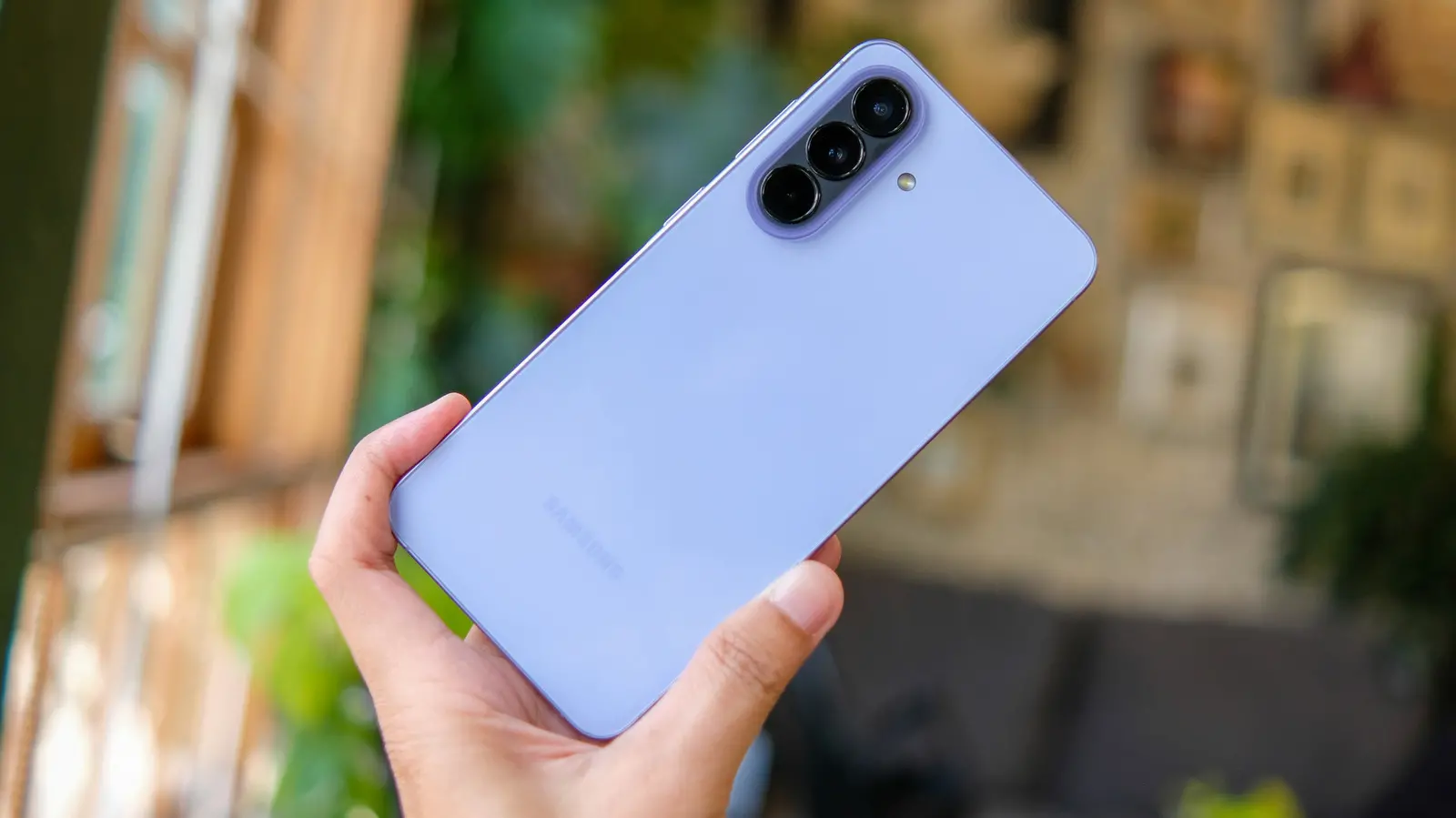
For Android enthusiasts, Samsung remains a dominant force in the smartphone market, offering a wide range of devices that cater to different budgets and preferences. Among its most popular lineups are the A series and the S series. While both run on Samsung's One UI and benefit from the company's ecosystem—including features like Secure Folder, Samsung DeX, and SmartThings—the price difference between them is substantial. Understanding why the A series is significantly cheaper than the S series requires a deep dive into their hardware, software support, camera systems, display technology, and overall market positioning.
Pricing Overview: Entry-Level vs. Flagship
The most obvious distinction between the two series is cost. As of 2026, Samsung's A series includes models like the Galaxy A14, A25, A35, A55, and the newly released A57 5G. Prices range from around $199.99 for the base model to $549.99 for the top-tier A57. In contrast, the S series starts at $649.99 for the Galaxy S25 FE and goes up to $1,599.99 for the Galaxy S26 Ultra with 1TB storage. Even older S series models, such as the Galaxy S23, are available as certified refurbished units starting at $439, which can sometimes be cheaper than the latest A series phones. This pricing strategy reflects a deliberate segmentation: the A series targets value-conscious consumers, while the S series aims at power users and technology early adopters.
Processor and Performance Differences
One of the main factors driving the price gap is the processor. Samsung typically equips its S series with its most powerful Exynos or Snapdragon chips (depending on the region), often the latest generation. For example, the Galaxy S25 features a high-end chipset that delivers superior CPU and GPU performance, enabling seamless multitasking, gaming, and AI processing. The A series, on the other hand, uses mid-range or budget processors that may be one or two generations behind. While these chips are more than adequate for everyday tasks like web browsing, social media, and video streaming, they lack the raw power needed for intensive gaming, 8K video editing, or heavy-duty augmented reality applications. The performance gap also affects system responsiveness and the ability to keep multiple apps open without slowdowns.
Battery Efficiency and Charging Speeds
Interestingly, the A series often packs larger physical batteries compared to the S series. The Galaxy A55 5G boasts a 5,000 mAh battery, while the Galaxy S25 has a 4,000 mAh cell. However, the S series benefits from more efficient processors and power management software, leading to similar or even better battery life. Samsung states that the S25 can achieve up to 29 hours of video playback, versus 28 hours on the A55. This efficiency means users get more performance per milliampere-hour. Fast charging is another area where the S series historically leads. The Galaxy S20 Ultra introduced 45W super-fast charging in 2020, but it took several years for that feature to trickle down to the A series. By 2026, both the Galaxy A56 and A57 support 45W charging, closing the gap. Still, wireless charging remains exclusive to the S series, including the Galaxy S24 and later models. The A series lacks wireless charging coils, which keeps production costs lower.
Display Technology and Build Quality
Samsung's S series features some of the best displays on the market, with high resolution (Quad HD+ or even 4K on Ultra models), high refresh rates (120Hz or 144Hz), and LTPO technology for dynamic refresh rate adjustment. The A series typically uses Full HD+ panels, often with 90Hz or 120Hz refresh rates, but without LTPO. This means they cannot drop to a lower refresh rate to save battery when displaying static content. Additionally, the S series uses stronger Gorilla Glass Victus or newer, while the A series may use Gorilla Glass 5 or even plastic backs on budget models. The S series also tends to have more premium materials, such as aluminum frames and IP68 water and dust resistance, which became standard across both lines only after the Galaxy S7 and later A series iterations. However, the IP68 rating is now a common feature on many A series phones starting from the Galaxy A7 (2017) onward.
Camera Systems: Sensor Sophistication
The camera is a key differentiator. The S series features state-of-the-art camera hardware, including higher-resolution sensors, larger pixels, optical image stabilization (OIS) on multiple lenses, and advanced computational photography features like Pro mode, 8K video recording, and Director's View. The Galaxy S26 Ultra includes a periscope telephoto lens with up to 10x optical zoom and 100x Space Zoom. In contrast, the A series offers good cameras but with smaller sensors, fewer lenses, and typically no telephoto or ultrawide options on lower-end models. Recent A series phones like the Galaxy A57 5G have improved dramatically, offering AI-enhanced night mode and portrait features borrowed from the S series. However, they still lack the zoom capabilities and raw photo flexibility found on flagship S models. For casual photography, the A series is more than sufficient, but professionals or enthusiasts will appreciate the S series' superior low-light performance and detail retention.
Software Updates and Longevity
Samsung has improved its software update policy for both series. The S series historically receives four major Android updates and five years of security patches, while the A series (even mid-range models) now gets three major updates and four years of security support. However, the S series continues to be the first to receive these updates. Additionally, advanced software features like Samsung DeX, Bixby routines, and enhanced multitasking with large screens are optimized for the S series hardware. Some AI features that debuted on the S series, such as Photo Unblur and Circle to Search, eventually make their way to the A series, but often a year or more later. This staggered rollout means S series owners consistently enjoy the newest capabilities first.
Market Positioning and Target Audience
Samsung’s product segmentation is clear: the S series is designed for power users, tech enthusiasts, and professionals who demand top-tier performance and are willing to pay a premium. The A series, by contrast, targets budget-conscious consumers, students, seniors, and those who use their phones primarily for communication and multimedia consumption. The A series also serves as an entry point for users transitioning from feature phones or older devices. By offering a lower price, Samsung captures a larger market share and builds brand loyalty, which can lead to future upgrades to the S or Z series. Additionally, the A series is crucial for emerging markets where price sensitivity is higher.
Historical Evolution: The Gap Narrows
Over the years, the gap between the A and S series has narrowed significantly. In 2016, the Galaxy S7 introduced IP68 certification, but it took only a year for the A series (A3, A5, A7) to adopt it. Similarly, Super AMOLED displays, once exclusive to flagships, now appear on most A series models. The A series has also adopted fast charging, high refresh rates, and even AI camera features. However, Samsung deliberately maintains some differentiation to justify the price premium of the S series. For instance, the S series continues to lead in processor performance, display quality, camera versatility, and exclusive software features like Samsung's Pro Video mode or Advanced Intelligent Wi-Fi.
Which Series Should You Choose?
Choosing between the A and S series depends on your personal priorities. If you are a light user who mainly browses the web, uses social media, streams video, and makes calls, the A series offers exceptional value. Phones like the Galaxy A57 5G provide a large, vibrant display, decent cameras, and all-day battery life at a fraction of the cost of an S series device. The A series is also a great choice for older users or those who do not need a high-powered processor. However, if you are a mobile gamer, content creator, or someone who wants the latest technology and the best possible camera performance, the S series is worth the investment. The S series also offers features like wireless charging, reverse wireless charging, and S Pen support on the Ultra models, which are absent from the A series.
Budget-conscious buyers can also consider previous-generation S series phones, such as the Galaxy S24 Ultra, which still outperforms most A series models and may be available at a reduced price. The Galaxy S24 FE, for example, offers flagship-level performance at a lower cost, though it still carries a premium over the A series. Ultimately, the decision comes down to how much you value performance and advanced features versus affordability. The A series proves that you don't need to spend a thousand dollars to get a great smartphone, while the S series showcases the best that Samsung can offer.
As technology continues to advance, the differences between the two lines will likely persist. Samsung will continue to innovate in its flagship S series, introducing new materials, more powerful chips, and revolutionary camera systems. Meanwhile, the A series will gradually adopt these features, ensuring that consumers at every price point have access to modern, reliable smartphones. Whether you choose an A series or an S series, both lines deliver a solid Android experience backed by Samsung's extensive ecosystem.
Source: SlashGear News