

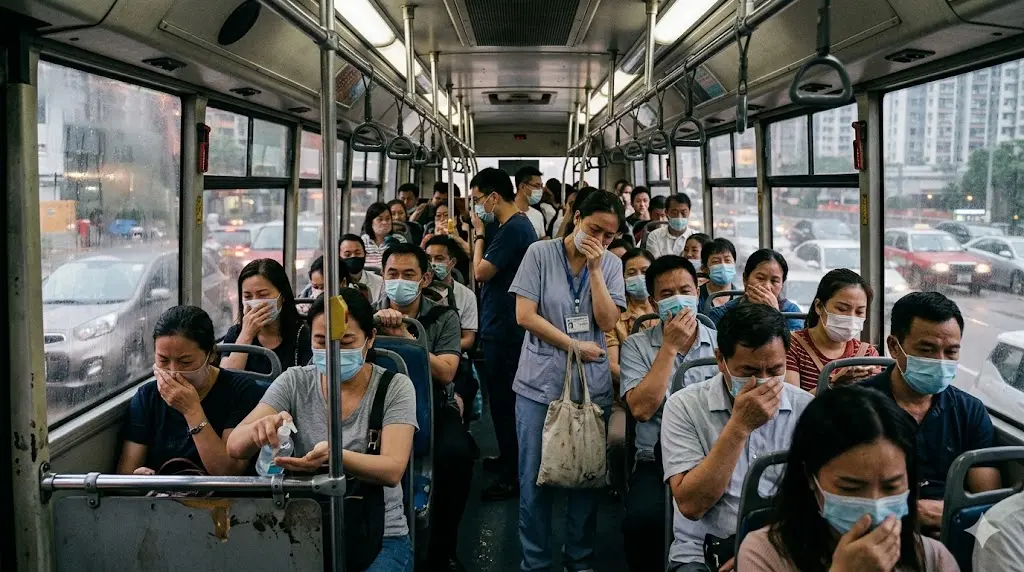
Why public transportation is a growing concern in healthcare worldwide comes down to one uncomfortable reality: access to healthcare often depends on whether people can physically reach it. That sounds obvious, but transportation problems quietly affect millions of patients every day, especially in crowded cities, aging populations, and underserved rural areas.
Healthcare systems can expand hospitals, improve technology, and hire more professionals, but if patients struggle to travel safely or affordably, those improvements don’t fully solve the problem. What’s interesting is how transportation has shifted from being viewed as an infrastructure issue to becoming a direct healthcare concern.
And honestly, this shift happened faster than many policymakers expected.
Public transportation is becoming a major healthcare concern worldwide because transportation barriers directly affect patient access, treatment consistency, emergency response times, and healthcare equality. Rising urban congestion, aging populations, healthcare centralization, and unreliable transit systems are making transportation one of the hidden pressures shaping global public health outcomes.
What Is Public Transportation’s Role in Healthcare?
Healthcare transportation access: The ability of patients, caregivers, and healthcare workers to reliably reach medical services through public or private transportation systems.
Public transportation affects healthcare more deeply than most people realize. It influences whether patients attend appointments, receive preventive care, access emergency services, or continue long-term treatment plans.
Here’s the thing most discussions miss: transportation problems don’t only affect low-income communities anymore. Even middle-income populations in heavily populated cities now face delays, overcrowding, and rising transportation costs that interfere with healthcare access.
In my experience, healthcare conversations often focus heavily on hospitals and insurance while underestimating the logistics required just to get someone into a clinic consistently.
Research highlighted through the World Health Organization health systems research continues to show strong links between transportation access and healthcare outcomes, particularly in urban and aging populations.
Why Public Transportation Matters in Healthcare in 2026
In 2026, transportation pressure is growing because healthcare systems are becoming more centralized while populations continue expanding.
Large hospitals and specialized treatment centers are often concentrated in urban areas. That creates longer travel times for many patients living outside major cities.
Let me be direct: a healthcare system isn’t fully accessible if reaching treatment requires exhausting or expensive travel.
Another overlooked issue is appointment consistency. Chronic illness management depends heavily on repeated visits. If transportation becomes unreliable, patients are more likely to delay or skip treatment entirely.
Urban congestion also changes emergency response effectiveness. In some densely populated cities, traffic delays have become serious healthcare risks rather than simple commuter frustrations.
At the same time, aging populations are increasing pressure on transit systems because older adults rely heavily on accessible transportation options for medical appointments.
Expert Tip: Healthcare Access Starts Before the Hospital
People often assume healthcare begins when a patient enters a clinic. In reality, healthcare access begins the moment someone decides whether they can realistically make the trip.
Transportation difficulty alone discourages many patients from seeking early treatment.
How Public Transportation Impacts Healthcare Systems Step by Step
Transportation influences healthcare through a chain reaction that affects both patients and medical systems.
Step 1: Patients Depend on Reliable Transit for Regular Care
Many individuals rely entirely on buses, trains, or shared transportation to attend medical appointments.
This becomes especially important for dialysis patients, elderly individuals, or those managing long-term illnesses.
Step 2: Delays Increase Missed Appointments
Unreliable transit systems lead to appointment delays or cancellations. That creates inefficiency for hospitals while also interrupting patient treatment cycles.
Step 3: Emergency Response Faces Congestion Pressure
Urban traffic and overcrowded roads slow emergency vehicles in many regions. Faster medical intervention becomes harder during peak congestion periods.
Step 4: Healthcare Workers Experience Commute Strain
Transportation challenges also affect healthcare professionals. Long commutes and unreliable transit contribute to fatigue, staffing shortages, and burnout.
Step 5: Rural Healthcare Access Weakens
Rural communities often face limited public transportation options altogether. Patients may travel several hours for specialist care, which increases healthcare inequality.
Common Misconception: Transportation Is Separate From Healthcare
This is probably one of the biggest misunderstandings in public policy discussions.
Transportation isn’t just connected to healthcare indirectly — it actively shapes healthcare outcomes. A patient with excellent insurance still struggles if they physically cannot access treatment consistently.
What most people overlook is that logistical barriers often become medical barriers.
Why Media Attention Around Healthcare Transportation Keeps Growing
Transportation and healthcare are now intersecting more visibly because urban growth is intensifying pressure on infrastructure.
Media coverage keeps increasing because transportation problems create emotional and relatable stories. Patients missing cancer treatment due to delayed transit or elderly individuals struggling to reach clinics resonate strongly with audiences.
Another reason is demographic change. Aging populations in many countries are forcing governments to rethink how transportation systems support healthcare accessibility.
According to research published through the United Nations sustainable urban development studies, transportation accessibility is increasingly viewed as a public health requirement rather than purely an infrastructure issue.
Expert Tip: Small Transportation Delays Create Big Healthcare Costs
One delayed appointment may not seem serious initially. But repeated disruptions increase hospitalization risk, worsen chronic illness outcomes, and raise long-term healthcare costs significantly.
A Real-World Example of Transportation Affecting Healthcare Access
Imagine an elderly patient living outside a major city who requires regular treatment several times per month.
Public transportation routes are inconsistent, and transfers take hours. Missing even one appointment affects medication schedules and recovery timelines.
Eventually, transportation stress becomes part of the health burden itself.
This scenario isn’t unusual anymore. It’s happening in different forms worldwide.
And honestly, healthcare systems probably underestimated how strongly transportation reliability influences treatment consistency.
The Counterintuitive Side of Healthcare Transportation Problems
Here’s a point that surprises many people: healthcare expansion can sometimes worsen transportation pressure.
Why?
Because larger centralized hospitals often replace smaller local clinics. While centralized facilities may offer better equipment, they also force patients to travel farther.
That creates efficiency at the institutional level but inconvenience at the patient level.
In my opinion, this tradeoff doesn’t receive enough public attention.
Expert Insights: What Actually Helps Improve Transportation Access
From what I’ve seen, transportation improvements work best when healthcare planning and urban planning happen together instead of separately.
Adding more hospitals alone doesn’t automatically improve healthcare accessibility if transit systems remain overloaded.
Flexible transportation models are becoming increasingly important too. On-demand transit, community shuttle systems, and integrated healthcare transport services are gaining attention because fixed systems don’t always meet patient needs effectively.
Another thing most guides miss is the emotional side of transportation stress. Long travel times create anxiety, exhaustion, and treatment fatigue, especially for vulnerable patients.
Expert Tip: Accessibility Matters More Than Distance Alone
A hospital located nearby can still feel inaccessible if transit routes are unreliable, physically difficult, or overcrowded.
Healthcare accessibility depends heavily on convenience and predictability.
Expert Tip: Healthcare Workers Need Better Transit Too
Discussions usually focus on patients, but healthcare staff also face transportation strain. Reliable transit helps reduce burnout and improves staffing stability.
Expert Tip: Rural Areas Face a Different Kind of Transportation Crisis
Urban areas struggle with congestion. Rural communities often struggle with absence.
Some patients travel extraordinary distances for specialist care, which creates another layer of healthcare inequality.
Why Public Transportation Pressure Is Becoming Global
Transportation-related healthcare concerns are no longer isolated to a few regions.
Urban population growth, rising healthcare demand, aging demographics, and infrastructure limitations are appearing simultaneously across multiple countries.
Social media also amplifies visibility. Videos showing overcrowded transit systems, ambulance delays, or inaccessible healthcare routes spread quickly online, turning local transportation problems into global conversations.
This visibility keeps transportation tied closely to public health discussions worldwide.
How Technology Is Changing Healthcare Transportation
Technology is starting to reshape transportation access in healthcare, though progress remains uneven.
Telemedicine reduces some travel demand, but it doesn’t eliminate physical appointments entirely. Emergency care, imaging, surgeries, and specialized treatments still require transportation.
Digital route optimization and healthcare-specific transport coordination systems are improving efficiency in some cities.
However, technology alone won’t solve deeper infrastructure shortages.
Expert Tip: Transportation Equity Is Becoming a Public Health Issue
Healthcare equality increasingly depends on mobility equality. Communities with weak transportation access often experience weaker healthcare outcomes overall.
That connection is becoming harder for policymakers to ignore.
People Most Asked About Public Transportation and Healthcare
Why is public transportation important in healthcare?
Public transportation allows patients and healthcare workers to access hospitals, clinics, and treatment centers consistently. Without reliable transportation, healthcare access becomes limited.
How does transportation affect patient health outcomes?
Transportation delays or barriers can cause missed appointments, interrupted treatments, and delayed emergency response times, which negatively affect long-term health outcomes.
Why are healthcare systems worried about transportation in 2026?
Healthcare demand is increasing while urban congestion and infrastructure pressure continue growing. Aging populations also rely more heavily on accessible transportation systems.
Does transportation affect healthcare workers too?
Yes. Long or unreliable commutes contribute to fatigue, stress, and staffing instability among healthcare professionals.
How can rural healthcare transportation improve?
Rural areas often benefit from community transit programs, mobile healthcare services, and improved regional transportation planning that reduces travel burden.
Is telemedicine replacing transportation needs?
Telemedicine helps reduce some travel demand, but many treatments and medical procedures still require in-person visits.
Understanding why public transportation is a growing concern in healthcare worldwide means recognizing that healthcare access doesn’t begin inside hospitals. It begins with mobility.
As healthcare systems expand and populations grow older and more urbanized, transportation reliability will probably become one of the defining factors shaping healthcare equality and long-term public health outcomes globally.
Our Network site provide related offering Guest Posting Services and Press Release News Submission, seo and local business listing in uk designed to improve organic traffic, SEO ranking, and brand visibility through high authority backlinks and instant publishing solutions. Businesses and agencies can expand media coverage effectively using business press release services together with targeted growth campaigns powered by digital marketing agency solutions to strengthen online reach and long-term search visibility across competitive industries.