
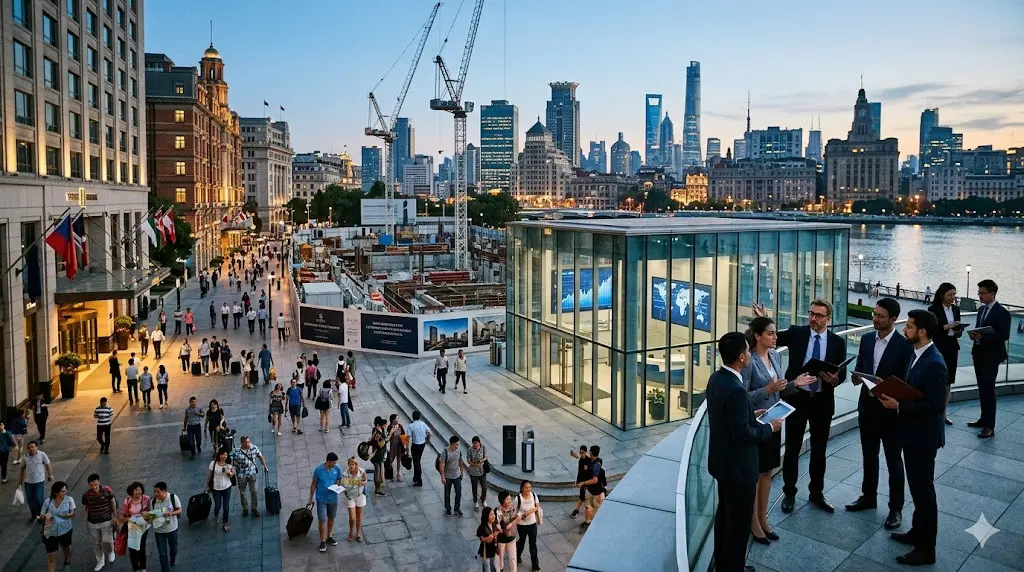
Why urban tourism is reshaping international investment trends comes down to a simple shift in how cities create value. Tourists are no longer just visitors passing through; they are becoming economic drivers who influence real estate, infrastructure, and even long-term foreign investment decisions. When you look closely, cities are now competing not only for residents and businesses but also for global attention from travelers who shape financial flows in unexpected ways.
Here’s the thing: tourism used to follow investment. Now, in many cases, investment follows tourism.
Urban tourism is reshaping international investment trends because cities with strong tourism appeal attract more foreign capital in real estate, infrastructure, hospitality, and commercial development. Rising visitor economies influence investor confidence, reshape urban branding strategies, and shift global capital toward experience-driven cities rather than purely industrial hubs.
What Is Urban Tourism’s Impact on Investment Trends?
Urban tourism investment dynamics: The relationship between city-based tourism growth and the movement of global capital into infrastructure, property, and service industries.
Urban tourism isn’t just about sightseeing anymore. It’s about how cities package themselves as economic products. Investors observe tourist inflows as indicators of long-term profitability, stability, and global relevance.
What most people overlook is that tourism data is now used almost like financial forecasting. High visitor numbers often signal strong demand for hotels, retail spaces, transportation networks, and entertainment districts.
In my experience, cities that become “tourist magnets” almost always see a parallel rise in foreign investment interest—even before policymakers fully realize it.
Research from global development institutions like the World Tourism Organization research highlights how tourism-led economies significantly influence urban investment cycles and infrastructure expansion patterns.
Why Urban Tourism Matters in 2026 for Global Investment
In 2026, urban tourism has become a major indicator of city-level economic strength. Investors are no longer just looking at GDP growth or industrial output. They’re analyzing visitor trends, cultural appeal, and global visibility.
Cities with strong tourism branding tend to attract diversified investment portfolios. Think hospitality, real estate, transport systems, and even tech-driven travel services.
Let me be direct: tourism is now a financial signal, not just a leisure activity.
Another important shift is the rise of experience-driven economies. People don’t just travel for landmarks anymore. They travel for food culture, events, nightlife, and digital-friendly urban experiences. That changes what investors value.
Here’s a slightly counterintuitive point: sometimes cities with weaker industrial bases attract stronger tourism-driven investment because they position themselves better culturally.
Expert Tip: Tourism Data Now Influences Investment Confidence
Investors often interpret rising tourist numbers as proof of long-term urban stability. Even short-term tourism spikes can shift funding decisions in real estate and infrastructure projects.
How Urban Tourism Drives International Investment Step by Step
The connection between tourism and investment doesn’t happen randomly. It follows a fairly predictable pattern.
Step 1: Tourism Growth Signals Urban Attractiveness
When visitor numbers rise, cities gain visibility in global media and investor reports. That visibility becomes a form of economic credibility.
Step 2: Hospitality Investment Expands First
Hotels, serviced apartments, and short-term rental markets usually see the earliest wave of foreign capital inflow.
Step 3: Infrastructure Development Follows
As tourism increases, governments and private investors invest in transportation, airports, and urban mobility systems to handle rising demand.
Step 4: Real Estate Prices Adjust
Tourism-driven demand often increases property values, especially in central urban districts and cultural hotspots.
Step 5: Commercial Ecosystems Expand
Retail, entertainment, and digital services grow to support visitor economies, attracting further investment layers.
Common Misconception: Tourism Only Benefits Hospitality Sectors
That assumption is outdated.
Urban tourism now influences financial services, tech startups, logistics networks, and even urban planning models. The ripple effect is much wider than hotels and restaurants.
A Real-World Style Example of Tourism Influencing Investment
Imagine a mid-sized city that suddenly becomes popular among international travelers due to cultural festivals and social media exposure.
At first, tourism increases modestly. Local businesses benefit. Then hotel occupancy rises, attracting foreign hospitality investors. Soon after, property developers start acquiring land near tourist districts.
Before long, infrastructure projects follow, including transit upgrades and airport expansion discussions.
What started as tourism interest gradually transforms into long-term capital inflow.
And honestly, this pattern repeats more often than most people realize.
The Counterintuitive Reality of Tourism-Led Investment Growth
Here’s something that surprises many analysts: rapid tourism growth can sometimes distort local investment priorities.
Instead of investing in industrial diversification or local business ecosystems, cities may over-prioritize tourism infrastructure because it delivers faster visible returns.
That can create long-term dependency on seasonal visitor economies.
In my opinion, this is one of the most overlooked risks in tourism-driven urban development strategies.
Expert Insights: What Actually Drives Investment Decisions in Tourist Cities
From what I’ve seen, international investors don’t just look at tourism numbers in isolation. They look at the entire ecosystem around them.
First, branding matters. Cities that successfully position themselves as global destinations attract more diversified investment.
Second, policy stability plays a big role. Investors prefer cities where tourism regulations, taxation, and property laws are predictable.
Third, infrastructure readiness is essential. Even high-tourism cities lose investment opportunities if transport or urban systems feel overloaded.
One thing most people miss is emotional perception. Investors often make decisions based on how “globally relevant” a city feels, not just its financial metrics.
Expert Tip: Perception Often Precedes Capital Flow
A city doesn’t need to be the richest to attract investment—it just needs to feel globally connected and culturally influential.
Expert Tip: Tourism Branding Influences Real Estate Cycles
Cities that become popular on travel platforms often see property speculation increase even before official economic indicators catch up.
Expert Tip: Digital Visibility Drives Physical Investment
Online travel trends, influencer exposure, and social media tourism content now indirectly influence foreign investment decisions more than traditional advertising.
Why Urban Tourism Is Reshaping Global Investment Patterns
Urban tourism is changing how capital moves globally because cities are becoming experience hubs instead of purely production hubs.
Investors are shifting attention toward locations where culture, lifestyle, and global visibility create long-term economic momentum.
Another major factor is mobility. People travel more frequently than before, and cities that successfully capture recurring visitor attention often see sustained economic inflows.
Even financial institutions are beginning to treat tourism-heavy cities as hybrid investment zones—part consumption market, part real estate opportunity.
Research perspectives from institutions like the World Bank urban development insights show how tourism and urbanization are increasingly interconnected in shaping investment flows.
How Cities Are Strategically Using Tourism for Investment Attraction
Cities are no longer passively receiving tourism. Many are actively designing tourism ecosystems to attract foreign capital.
This includes cultural districts, international events, waterfront redevelopment projects, and digital tourism marketing strategies.
However, not every strategy works equally well. Some cities overbuild tourist infrastructure without long-term planning, which can create financial strain later.
A more balanced approach tends to combine tourism appeal with residential livability and business ecosystem growth.
People Most Asked About Urban Tourism and Investment Trends
Why does urban tourism attract foreign investment?
Urban tourism attracts foreign investment because rising visitor numbers signal strong demand for infrastructure, hospitality, and real estate development opportunities.
How does tourism affect real estate markets?
Tourism increases demand for short-term rentals, hotels, and commercial spaces, which often drives property prices upward in high-traffic urban areas.
Can tourism-dependent cities face economic risks?
Yes, cities overly dependent on tourism may face instability during global travel disruptions or seasonal downturns, affecting local investment flows.
Why are investors interested in tourist cities?
Investors see tourist cities as high-demand environments where hospitality, retail, and infrastructure projects are more likely to generate consistent returns.
Does social media influence tourism investment trends?
Yes, digital visibility and online travel trends can significantly influence how global investors perceive a city’s economic potential.
Urban tourism is reshaping international investment trends by transforming cities into globally competitive experience hubs. Investment no longer flows only toward industrial strength—it increasingly follows cultural visibility, visitor demand, and urban experience value.
As tourism continues evolving, cities that balance visitor appeal with sustainable development will probably attract the most stable long-term investment growth.
Our Network site provide related offering Guest Posting Services and Press Release News Submission, seo and local business listing in uk designed to improve organic traffic, SEO ranking, and brand visibility through high authority backlinks and instant publishing opportunities. Businesses, agencies, and professionals can strengthen media coverage using press release distribution services alongside scalable growth strategies from digital marketing agency services to improve long-term search visibility and global digital presence.