

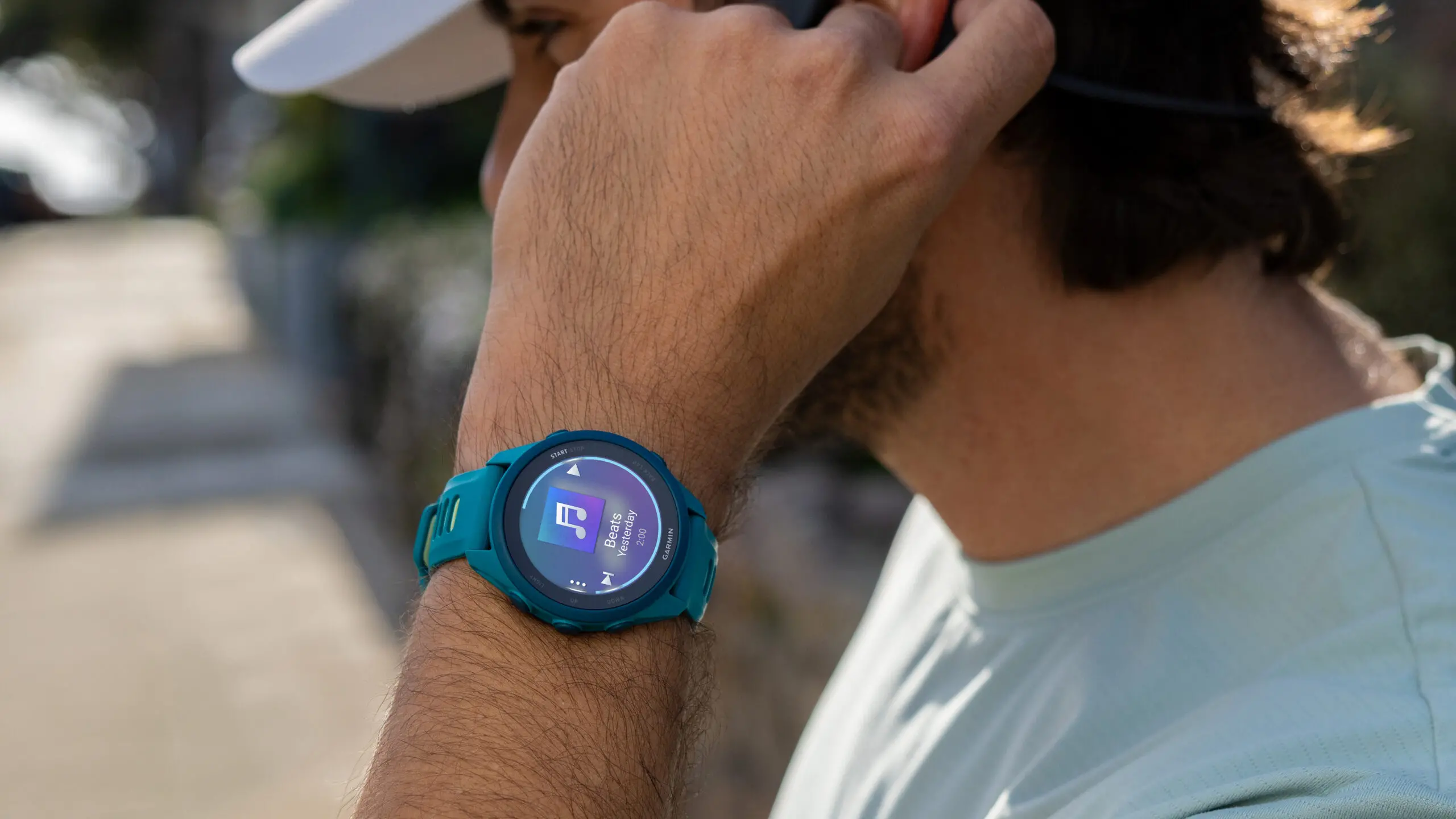
Garmin has expanded its Forerunner lineup with two new GPS running watches designed specifically for beginner and casual runners: the Forerunner 70 and Forerunner 170. Announced today, these watches bring premium training features that were previously available only on higher-end models, now at more accessible price points. The Forerunner 70 starts at $249.99, while the Forerunner 170 starts at $299.99, with the Forerunner 170 Music model at $349.99. All three models will be available starting May 15 from Garmin's official website.
The new watches are aimed at runners who want more structure than a basic fitness tracker but are not yet ready to invest in Garmin's top-tier multi-sport watches like the Forerunner 965 or Fenix 7 series. By adding features such as AMOLED displays, training readiness, and adaptive Garmin Coach plans, the Forerunner 70 and 170 represent a significant upgrade over previous entry-level models such as the Forerunner 45 and Forerunner 55. This move effectively democratizes advanced running analytics, making them available to a wider audience.
Shared Features: A Common Foundation
Both the Forerunner 70 and Forerunner 170 share a robust set of core features that cater to serious training needs. Each watch includes built-in GPS, a 1.2-inch AMOLED display with touchscreen support, and Garmin's traditional five-button configuration. The AMOLED display is a notable addition to this price segment, offering vibrant colors and excellent readability both indoors and outdoors. Battery life remains competitive, with the Forerunner 70 rated for up to 13 days in smartwatch mode and the Forerunner 170 up to 10 days, easily outlasting most traditional smartwatches.
Beyond basic activity tracking, both watches include a full suite of health monitoring sensors: heart rate, sleep tracking, HRV status, and Pulse Ox for blood oxygen saturation. The elevation heart rate sensor provides continuous data even without a chest strap. The devices also support over 80 sports apps, covering running, cycling, swimming, indoor workouts, and more. For running-specific metrics, each watch now includes wrist-based running power and running dynamics, which measure cadence, stride length, and ground contact time. These metrics help runners analyze their form and efficiency without additional accessories.
Advanced Training Tools for Beginners
The most significant upgrades come in the form of training readiness and training status, both of which were previously reserved for watches priced north of $500. Training readiness combines sleep quality, recovery status, HRV balance, and recent activity history to suggest whether a runner should push hard or take it easy. Training status provides a long-term view of overall training load and fitness trends, such as productive, maintaining, or overreaching. These tools help beginners avoid overtraining and build sustainable habits.
Garmin Coach has also been enhanced with new run/walk plans and lower-volume options. This makes the program more accessible to people who are new to running or returning after a break. The coach plans adapt based on user performance, adjusting workout intensity and duration automatically. Additionally, a new quick workout feature builds customized workouts based on just two inputs: workout length and intensity. For example, a user can select a 30-minute moderate run, and the watch will generate a structured session with warm-up, intervals, and cool-down—no complicated menus required.
Both watches also support on-device workout creation for those who want to design their own intervals or pace targets. Integration with Garmin Connect allows users to sync structured workouts from popular platforms like TrainingPeaks or Final Surge. For indoor running, the watches support foot pod calibration and treadmill calibration to ensure distance accuracy.
Differentiating the Forerunner 70 and 170
The Forerunner 70 and 170 share the same core hardware and sensor suite, but the 170 adds a few lifestyle conveniences. The Forerunner 170 includes Garmin Pay for contactless payments, allowing users to leave their wallet at home during runs. It also offers optional onboard music storage on the Music model, with support for Spotify, Amazon Music, and Deezer offline playlists. The Forerunner 70 lacks these features, making it a more straightforward running watch without smartwatch extras.
Color options also differ. The Forerunner 70 comes in six finishes: citron, tidal blue, cool lavender, soft pink, black, and whitestone. The Forerunner 170 base and Music models are available in black with amp yellow detailing, whitestone with cloud blue band, and two special variants for the Music model: teal green with teal/citron band and red pink with pink/mango band. Garmin also offers a range of quick-release silicone bands in various colors for both models.
Historical Context and Market Positioning
Garmin released its first Forerunner, the Forerunner 101, back in 2003 as a basic GPS watch with no heart rate or display mapping. Over the years, the series evolved to include color screens (Forerunner 405 in 2007), optical heart rate (Forerunner 235 in 2015), and most recently, AMOLED displays (Forerunner 265 in 2023). The introduction of AMOLED in the budget-friendly Forerunner 70 and 170 is a direct response to consumer expectations for bright, high-quality screens—something competitors like Coros and Polar have also embraced in their mid-range models.
The new watches slot between the entry-level Forerunner 55 (still available at $199.99) and the mid-range Forerunner 265 ($449.99). By offering training readiness and wrist-based running power at $250, Garmin is blurring the lines between price tiers. This strategy may cannibalize sales of higher-end models but also strengthens the brand's position among cost-conscious runners who might otherwise consider alternatives from Amazfit, Coros, or even used Garmin watches. The inclusion of Garmin Pay and music on the 170 also directly competes with the Apple Watch SE and Samsung Galaxy Watch FE for runners who want a sports-first wearable with smartwatch conveniences.
For beginners, the key takeaway is that they no longer need to spend $500+ to get features like training readiness, heart rate variability tracking, and adaptive coaching. The Forerunner 70 and 170 bring these tools within reach, making it easier to start running with proper guidance. The watches also feature automatic activity detection and goal-setting prompts through Garmin's Morning Report, which displays a daily briefing including weather, sleep score, and training suggestion upon waking.
Both watches are water-rated to 5 ATM, suitable for swimming and showering. The Forerunner 170 also includes incidental swimming metrics, while the 70 provides basic swim tracking. For navigation, neither watch includes maps or route guidance, but both support breadcrumb trails via Garmin Connect. This keeps the focus on running performance rather than outdoor navigation, which is reserved for higher-tier models like the Forerunner 955 or Fenix 7.
Pricing of the Forerunner 70 undercuts many competitors in the budget GPS watch space. For example, the Coros Pace 3 at $229 offers a similar feature set but lacks an AMOLED display and training readiness. The Polar Pacer at $199 lacks wrist-based running power. The Forerunner 170 Music at $349 is cheaper than the Apple Watch SE with cellular but offers superior battery life and dedicated running metrics. This positions Garmin strongly in the sub-$350 market for runners who prioritize reliability and depth of analytics over app ecosystem breadth.
In summary, the Forerunner 70 and 170 represent a significant evolution in Garmin's entry-level lineup. They bring professional-grade training tools to beginners while maintaining the brand's hallmark battery life and durability. With dual launch dates set for May 15, runners looking to step up from a basic fitness tracker now have compelling options that do not compromise on the metrics that matter most for improvement and injury prevention. The new watches are available for pre-order through Garmin.com and select retail partners.
Source: Android Authority News